
Deloitte’s 2026 Football Money League signaled a reshuffle at the top of English football’s commercial order.
Kabul | By Nirvana Ebram
Manchester’s two flagship clubs lost ground in the latest Deloitte Football Money League, a ranking that tracks club revenues across matchday, broadcast, and commercial streams.
Manchester City slipped four places, from second to sixth, reporting €829 million in revenue. Deloitte linked the decline to a marginal dip year-on-year, shaped by comparatively weaker sporting outcomes than the prior campaign, including a lower domestic finish and earlier European exit, which tend to compress broadcast and performance-linked income.
Manchester United recorded what Deloitte and reporting described as the club’s lowest-ever position on the Money League, falling from fourth to eighth with €793 million. The slide underscored a widening vulnerability in a business model that has long relied on brand power to offset volatility on the pitch. With reduced exposure to UEFA competition and a disappointing domestic season, United’s earning capacity faced the structural consequence that modern football increasingly imposes: revenue rewards are now more tightly tethered to sporting access, not historical stature.
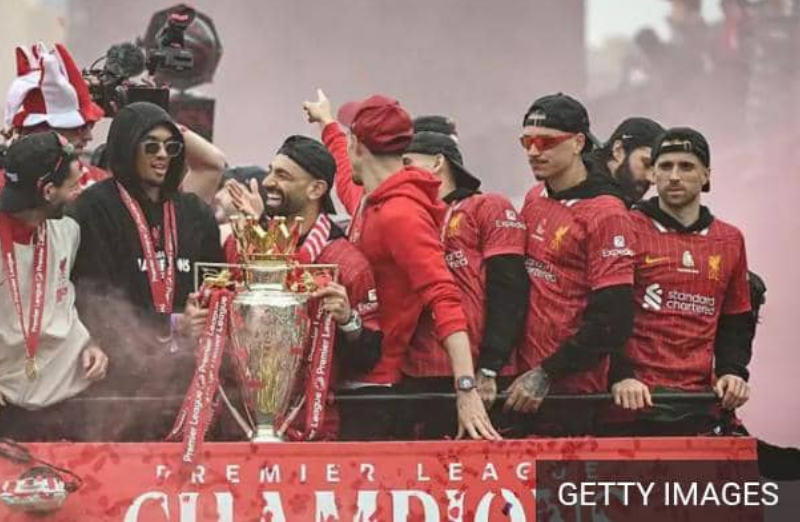
The shift was sharpened by Liverpool’s rise to fifth on €836 million, making them the Premier League’s highest-earning club in the ranking, while Real Madrid remained first at €1.16 billion, illustrating how elite clubs are pushing deeper into “super-club” economics where commercial scale and stadium monetization insulate them from short-term swings.
For English football, the broader signal is uncomfortable but clear: the league’s global reach is no longer enough, on its own, to guarantee top-tier revenue placement. Deloitte’s list showed no Premier League club in the top four this year, a symbolic marker of intensifying competition from Spain, Germany and France at the very top, and of a European market where infrastructure, global commercial strategy, and sustained Champions League leverage increasingly decide who stays in the financial vanguard and who drifts into the crowded tier below.