
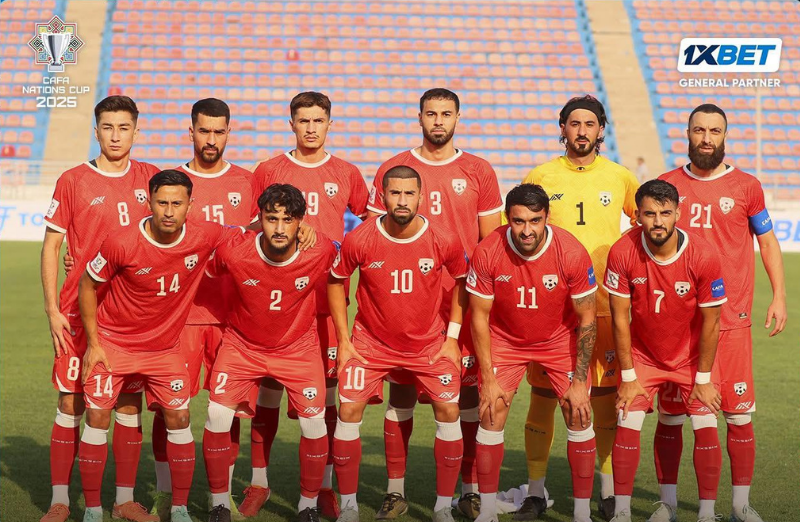
By Haroon Hazin– Head, ASJF Football Commission
Afghan football fans share a growing frustration: why does the national team continue to struggle, despite the passion and talent in the country? The reasons are many, and together they explain why results remain out of reach.
1. Lack of proper sports infrastructure
Afghanistan is still far behind most footballing nations when it comes to facilities. There are very few standard pitches, modern academies, or proper training centers. Even players at the national level often train under poor conditions and without access to professional equipment. Without a system to develop young talent, long-term growth is nearly impossible.
2. Political instability and decades of war
For more than forty years, conflict has drained resources and attention away from sports. Promising players have fled the country, while others never had the chance to develop their skills. In such an unstable environment, planning for the future of football is extremely difficult.
3. Mismanagement in the Football Federation
The Afghanistan Football Federation has long been criticized for corruption, lack of transparency, and poor organization. Coaches and players have often complained about outside interference in team selection. Weak leadership has repeatedly held Afghan football back at moments when progress seemed possible.
4. A weak domestic league
The Afghan Premier League has not reached the level of professionalism or competitiveness needed to produce players ready for international competitions. Domestic football remains underdeveloped, and most national team players do not gain experience against top-level opponents. And this gap shows clearly when Afghanistan faces stronger sides.
5. Reliance on legionnaires
Many of Afghanistan’s national team players are born or raised abroad, in Europe or North America. While they bring technical quality, the lack of chemistry with homegrown players often weakens team cohesion. At the same time, heavy dependence on legionnaires risks discouraging local players, who feel their path to the national team is limited.
6. Few quality, friendly matches
Playing against stronger teams is crucial for growth, but Afghanistan rarely manages to arrange high-level friendly matches. Political challenges, financial limits, and weak planning mean the team often enters tournaments without proper preparation.
7. Constant coaching changes
The national team has cycled through coaches far too often. Few are given the time or stability to implement a clear playing style. Foreign coaches in particular rarely stay long enough to build a foundation, leaving the squad without a consistent identity.
Conclusion
Afghanistan’s football problems are deep, but not unsolvable. The country needs investment in infrastructure, stable and professional management, a stronger domestic league, and serious attention to youth development. Most of all, it needs long-term planning.
Despite the setbacks, Afghan youth remain full of potential and passion for the game of football. With the right structure in place, that energy could one day translate into results on the international stage. Until then, fans will continue to ask the same difficult question: when will Afghan football finally rise?
