Ollie Pope Withdraws From Afghanistan Premier League Draft as ECB Faces Questions Over Player Policy
England batter Ollie Pope has reportedly withdrawn from the inaugural Afghanistan Premier League draft amid concerns over the treatment of women and girls in Afghanistan. His decision has renewed questions over why English players must make individual choices about the league while the ECB maintains its opposition to bilateral cricket with Afghanistan.
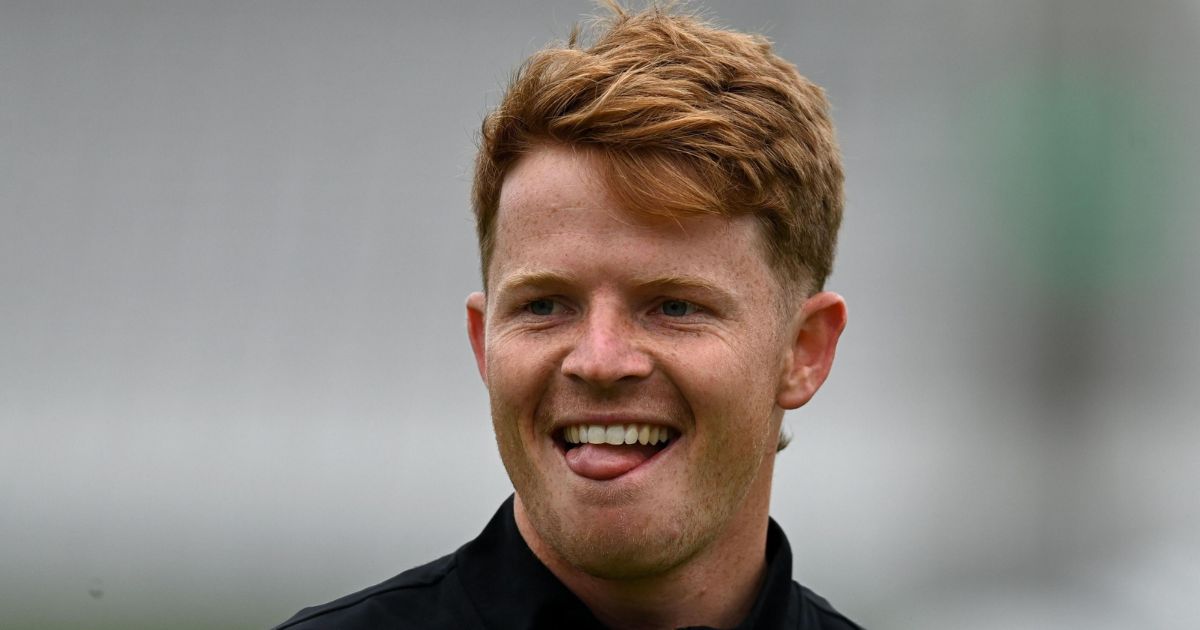
England batter Ollie Pope has reportedly withdrawn from the draft for the inaugural Afghanistan Premier League, bringing renewed attention to the England and Wales Cricket Board's position on cricket involving Afghanistan and the decisions facing players considering overseas franchise contracts.
The competition is scheduled to take place in the United Arab Emirates later in 2026. Pope had been expected to be the only centrally contracted England player in the draft, according to a report published by Outlook on 13 October.
His withdrawal was understood to be a personal decision rather than the direct result of discussions with England's director of cricket, Rob Key.
The development raises a question that extends beyond one player's participation: how should England's cricket authorities approach a franchise competition associated with Afghanistan when they have declined to arrange bilateral international series against the country?
The ECB has maintained that position since the Taliban returned to power in 2021, amid restrictions on women's education, employment and participation in sport.
England, however, continue to face Afghanistan in major International Cricket Council tournaments.
That distinction has become central to the debate over whether individual cricketers should be expected to make decisions that their governing body has not imposed through a formal prohibition.
Speaking on the BBC's Test Match Special podcast, Key said the ECB's legal ability to prevent players from participating in such competitions was limited.
He described the matter as a moral decision for individual players and indicated that he personally would not take part.
Players who wish to compete in overseas franchise leagues generally require a No Objection Certificate from their national board, placing the ECB's clearance procedures under further scrutiny.
Pope's reported withdrawal does not mean that other English players have left the draft.
Former England batter Dawid Malan is among those reportedly entered, alongside Moeen Ali, James Vince and James Rew.
Malan has acknowledged the difficulty for cricketers who depend on franchise competitions for their income, particularly when questions of personal conscience and formal eligibility do not lead to the same conclusion.
He also questioned why players were being left to make individual decisions while England continue to compete against Afghanistan at ICC events.
The issue carries particular significance for Afghanistan's cricket community.
The country's men's national team remains active in international cricket, while restrictions imposed under Taliban rule have prevented women and girls from participating freely in organised sport.
For players considering the Afghanistan Premier League, the debate therefore involves more than sporting opportunity or financial reward.
It also concerns whether participation in a privately organised competition should be treated differently from playing Afghanistan in international tournaments, and who should establish that distinction.
Pope's decision has not settled those questions. It has instead highlighted the absence of a straightforward policy that addresses the concerns raised by women's rights restrictions while providing consistent guidance to professional cricketers.