Afghanistan Among 78 Nations Making FIFA World Cup Debut at U-15 Event
Afghanistan is among 78 FIFA member associations preparing for their first appearance in a FIFA World Cup competition when the inaugural U-15 World Cup & Festival begins in Baku on 24 October. The tournament offers Afghan youth players valuable international match experience, raising questions about how that exposure can support their development after they return home.
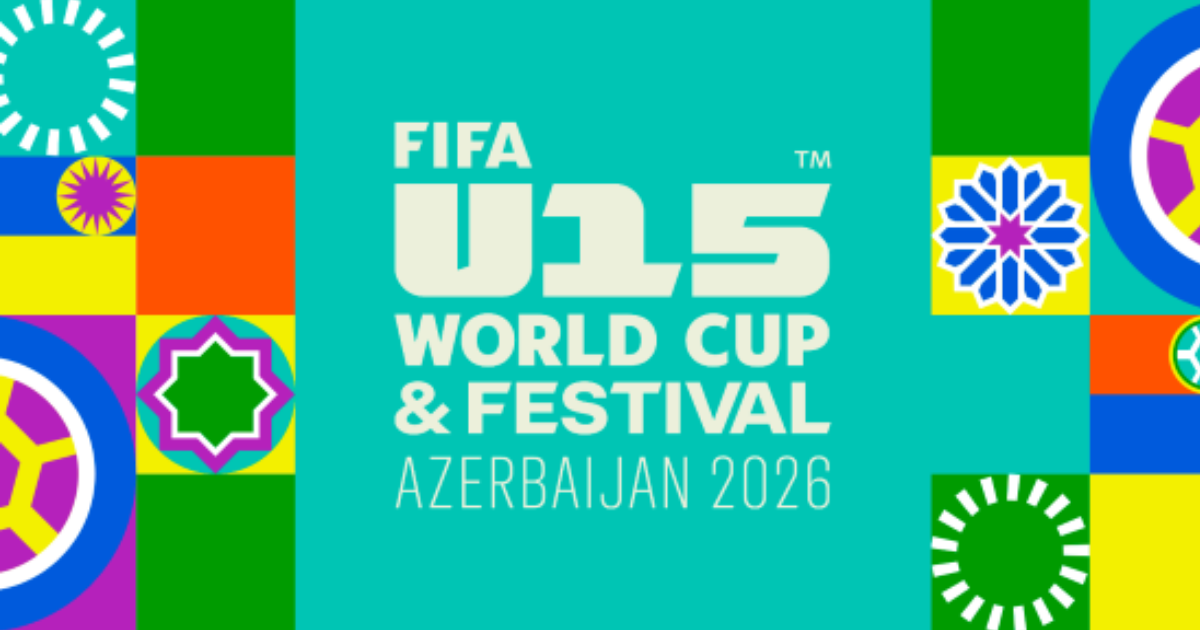
Afghanistan will make its first appearance in a FIFA World Cup competition at any age level when its under-15 national team participates in the inaugural FIFA U-15 World Cup & Festival in Baku, Azerbaijan, beginning on 24 October.
According to FIFA's announcement on Thursday, 22 October, Afghanistan is among 78 member associations making their debut in a FIFA World Cup competition. A total of 189 associations are expected to participate in the event.
The announcement gives Afghanistan's participation greater historical significance than a routine appearance at an international youth tournament.
Although Afghan national teams have competed in regional and continental football competitions, FIFA identifies the upcoming event as Afghanistan's first participation in one of its World Cup competitions across men's and women's football and all age categories.
The Afghanistan Football Federation announced on Thursday that the country's under-15 team had departed Kabul for Azerbaijan.
For the young players, the tournament presents an opportunity to test their abilities against international opposition and experience football environments beyond domestic competition.
However, the longer-term value of Afghanistan's participation will depend on whether the experience can contribute to a sustained development pathway for young players after the tournament.
An international opportunity after domestic selection
Afghanistan's participation follows a domestic talent-identification programme that included regional scouting activities and training in Kabul.
ASJF NEWS previously reported that the national under-15 training group had been reduced to 16 players following a selection process involving more than 60 candidates.
The Baku tournament now offers an opportunity to assess the progress made during that preparation.
Playing against teams from different footballing backgrounds could expose Afghan players to new tactical approaches, faster decision-making and different technical demands.
Such experience may also help national-team coaches identify areas requiring further development.
The challenge will be to ensure that lessons learned during the competition translate into continued training and competitive opportunities at home.
A different World Cup format
Unlike conventional FIFA World Cup tournaments, the U-15 World Cup & Festival is designed to give every participating team substantial international playing time.
Matches will be played eight-a-side, with two halves of 20 minutes each.
The competition also introduces rolling substitutions, smaller playing areas and modified rules intended to encourage greater involvement from young players.
Teams will compete in an initial qualification stage before moving into one of six competitive tiers according to their results.
There will be no elimination after the opening stage. Every participating team will continue playing until the final day, with a champion determined in each tier.
This structure means Afghanistan's players will have opportunities to compete in several matches regardless of their initial results.
For a developing youth team, repeated international competition may provide more useful experience than a tournament in which one early defeat ends participation.
Development beyond match results
FIFA says the event is intended to combine international football with educational activities, opportunities to meet former international players and programmes designed to support personal development.
Roberto Grassi, FIFA's Head of Youth Tournaments, described the competition as an opportunity for young footballers, many of whom will be travelling abroad and representing their countries for the first time.
The organisers have emphasized participation and development rather than treating the event solely as a championship.
For Afghanistan, this approach offers an opportunity to evaluate youth football development beyond the immediate question of winning or losing matches.
International exposure can be valuable, but it cannot substitute for regular domestic competitions, qualified coaching and continued support for talented players.
The more significant measure of Afghanistan's participation may therefore emerge after Baku, when players return to their clubs, academies and local football communities.
A first appearance on the FIFA World Cup stage
The competition is scheduled for 24–30 October, with most matches taking place at the Hovsan Competition Complex in Baku. Crystal Hall will host major ceremonial events and tier finals.
The inaugural boys' competition is open to players born in 2011 or 2012.
FIFA plans to introduce a girls' edition in 2027, followed by annual competitions for both boys and girls from 2028.
Afghanistan's appearance alongside 77 other first-time participants is an important step in widening access to FIFA youth competitions.
But the real test for Afghan football will be whether this historic debut becomes part of a longer-term programme that gives young players regular opportunities to develop and compete internationally.